Hermann Niermann Scholarships
The Hermann Niermann Scholarships are awarded by the nonprofit Hermann Niermann Foundation in cooperation with the European Institute for German Language (EURIDIS).
They serve to support highly qualified international scholars of German Studies and facilitate academic study and research stays in the field of German language, literature, and culture.
Who is eligible for funding?
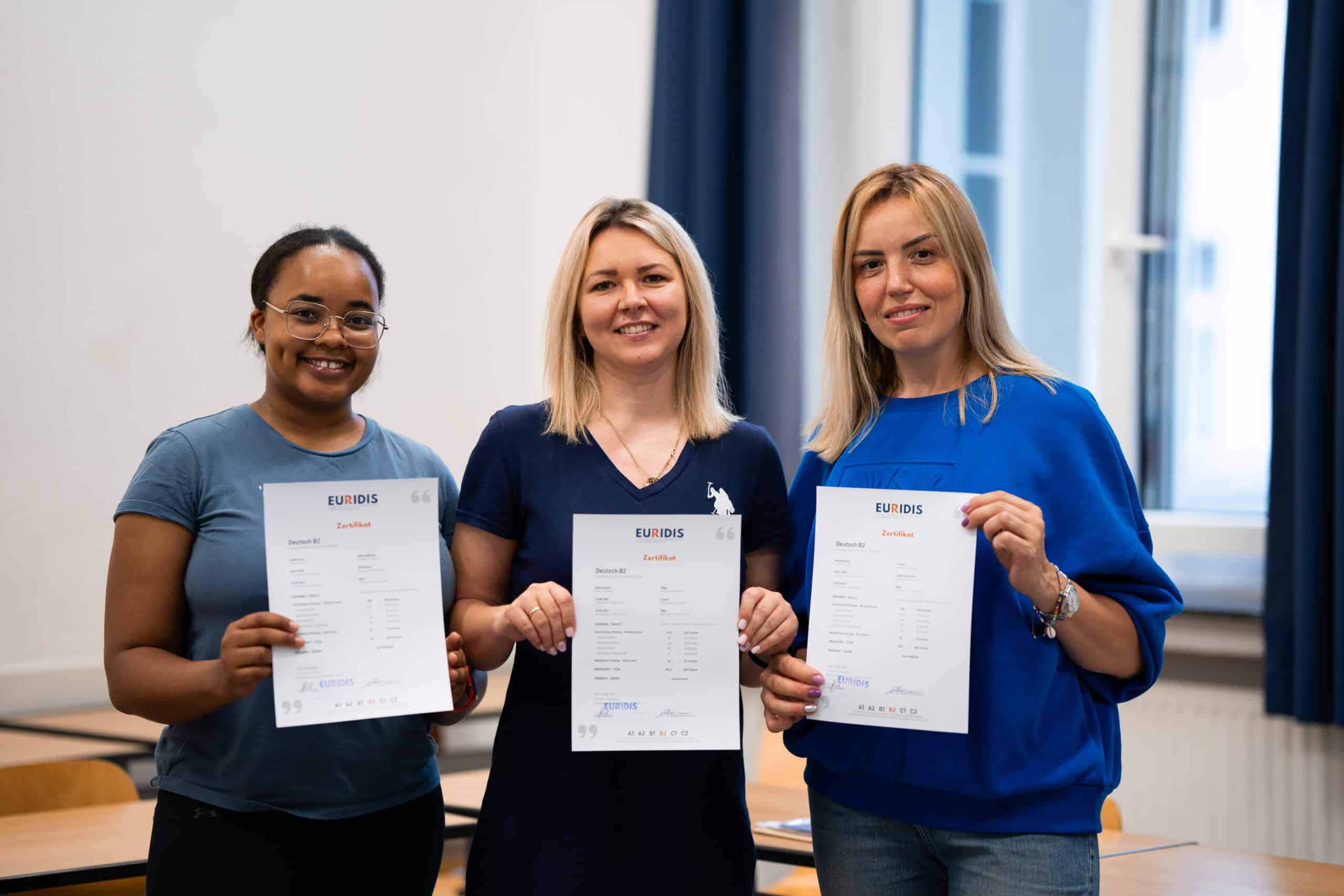
The scholarships are aimed at students, doctoral candidates, early-career researchers, and scholars in German Studies from the following countries: Bosnia and Herzegovina, Bulgaria, Estonia, Kosovo, Croatia, Latvia, Lithuania, North Macedonia, Montenegro, Poland, Romania, Serbia, Slovakia, Slovenia, Czech Republic, Ukraine, and Hungary.
Funding is provided for study and research stays that serve education, training, and professional development in German Studies and strengthen academic exchange in the field of German language, literature, and culture.
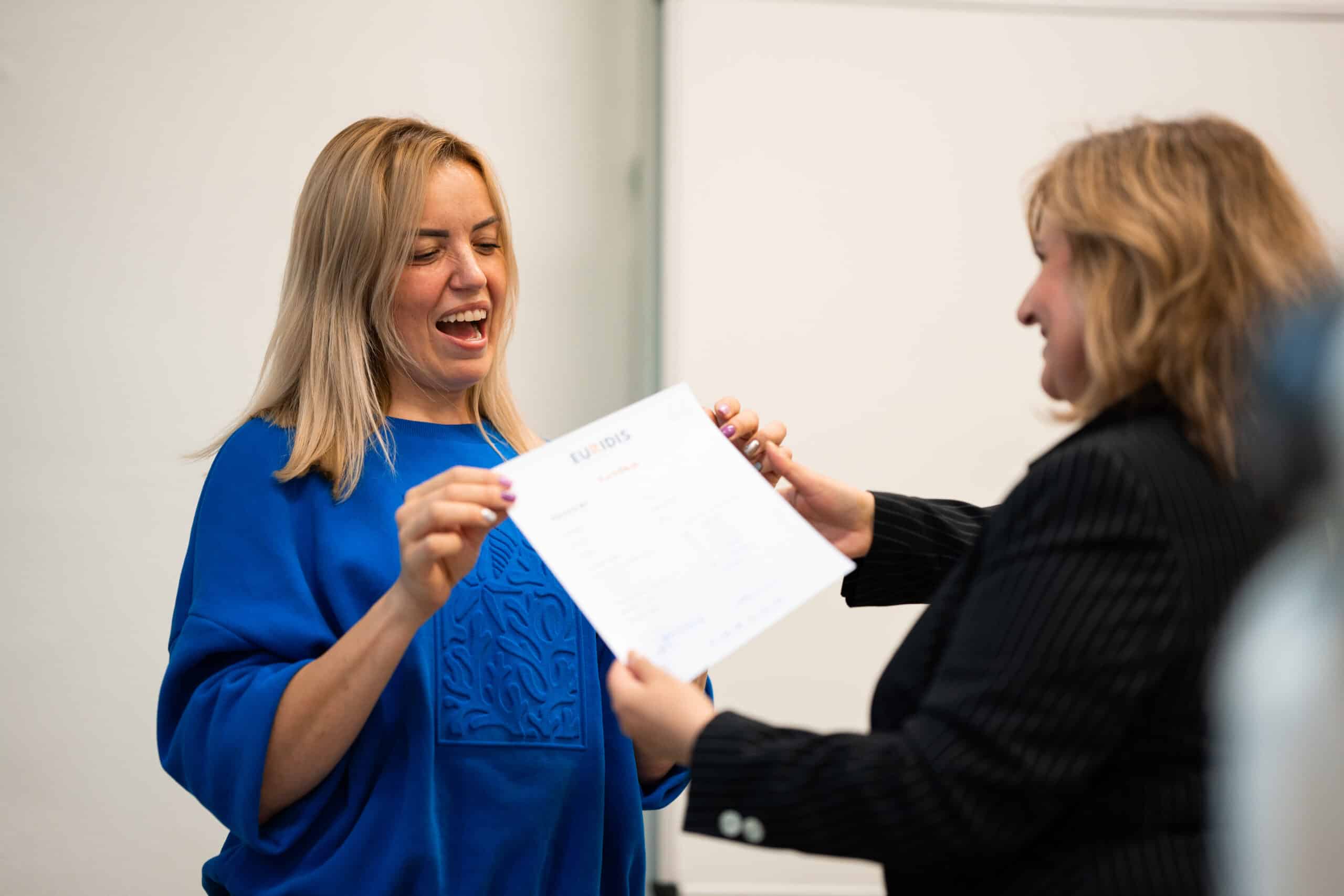
The Hermann Niermann Scholarships are aimed at scholars of German Studies
- who have a strong interest in German language, literature, and culture and wish to deepen their knowledge and research in German Studies;
- who aim to promote and share interest in German language and culture in their home countries;
- who wish to develop their study or research projects in an international academic environment.
The scholarships help strengthen international academic networks in German Studies and promote exchange between researchers and students from different countries.
Funding Tracks
Funding Tracks of the Hermann Niermann Foundation
The Hermann Niermann Foundation supports students, early-career researchers, and scholars in German Studies with differentiated programs—depending on qualification phase and objectives.
The programs serve to strengthen international German Studies, promote academic qualification, and sustainably network research and teaching.
Funding Tracks Overview (as of 2026)
K – Short Stay
Short stays serve to complete an MA degree and support work on an MA thesis. The research stay takes place in Germany, while the master’s thesis and examination are completed in the home country.
Funding: Duration 1-2 months, €950/month
S – Study Stay (1 year)
Typically within the framework of an MA in German Studies and to substantially promote German language and analytical competencies (duration 1 semester, €950/month). The goal is to acquire a high language proficiency level, especially for prospective German teachers or those working in education.
Funding: Duration 1 semester, €950/month
G – Postgraduate Funding (1–2 years)
This funding track is aimed at graduates in German Studies who wish to expand their qualifications through advanced study or specialization. Funding for an MA in German Studies for outstanding graduates of a BA program
Funding: Duration 1 year, extendable to two years after positive interim evaluation, €1,050/month)
FP – Research Project for Doctoral Studies
To support early-career researchers in German Studies. For conducting research work within the framework of a doctoral program in the home country
Funding is provided for:
- Doctoral studies already begun in the home country and supplemented by a stay in Germany
- or doctoral studies conducted entirely in Germany (e.g., University of Würzburg)
Requirement:
- relevant degree (e.g., Master’s, teaching degree, diploma)
Funding: Duration 1-6 months, €1,350/month
F – Research Project (for researchers with doctoral degrees)
For conducting research work, for applicants with doctoral degrees and a permanent affiliation with a university in their home country. The goal is to conduct independent research projects in German Studies.
Funding: Duration 1-12 months, €1,750–2,250/month
Application Submission
The next submission deadline for applications is November 13, 2026
Please submit your application online here: https://stipendien.euridis.de
Organizational Matters
At the Start of the Scholarship
Contact
Please contact our representatives at least approximately four weeks before your arrival in Würzburg:
Coordination Office of the Hermann Niermann Scholarships
Prof. PhDr. Iva Zündorf, Ph.D
Nonprofit Hermann Niermann Foundation
European Institute for German Language gGmbH
Börchemstr. 38
40597 Düsseldorf
izundorf@euridis.de
Tax Identification Number
Effective immediately, scholarships can only be disbursed if a personal (German) tax identification number is provided.
- If you do not yet have a (German) tax identification number, you must officially apply for one. This is done at the responsible tax office. Personal appearance is not necessary. A copy of an identity document/passport must be attached to the application. The documents can be sent by email to the responsible tax office.
- You can find a sample completed application for a tax identification number at the University of Würzburg here, as a blank form here, and as a dynamically generated online version here.
- General background information on the tax identification number is available here.
At the End of the Scholarship
Reporting on the Scholarship Period
At the end of their scholarship, scholarship recipients submit a final report (please submit no later than one month after completion of funding). For scholarships lasting more than six months, an interim report must also be submitted in the middle of the funding period. In this regard, it is generally advisable to report after completion of a semester. Please use this form for your reports and send the completed PDF file simultaneously to.
We would be pleased if you remain in contact with the Hermann Niermann Foundation after your scholarship. For this purpose, we have our alumni portal. Please register using our link to the portal!
Experience Reports
Currently being updated.
Scholarship Workshop
Currently being updated.
Impressions
Currently being updated.
Contact
Your contact person for Hermann Niermann Scholarships:
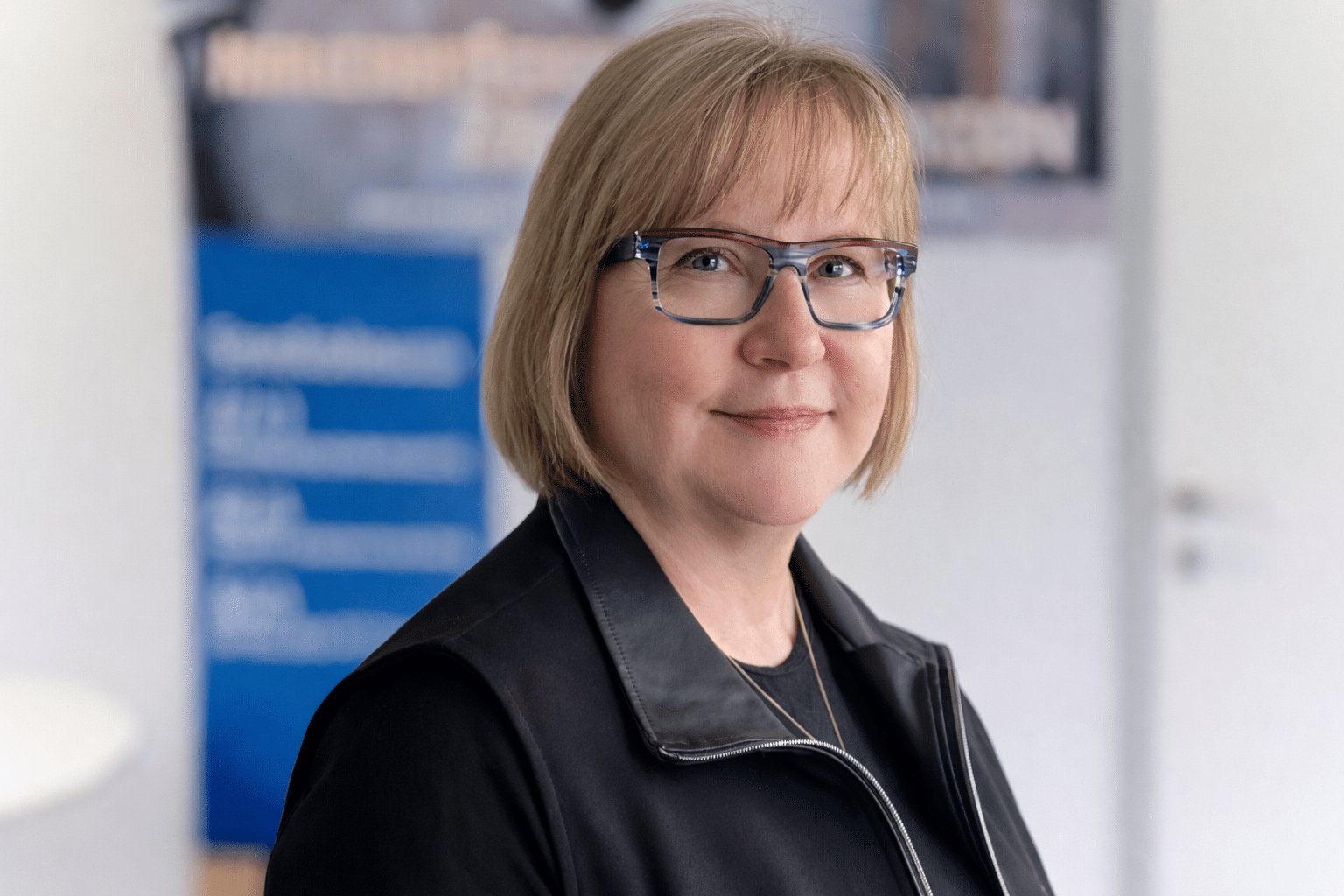
Prof. PhDr. Iva Zündorf, Ph.D
European Institute for German Language gGmbH
Börchemstr. 38
40597 Düsseldorf
izundorf@euridis.de
Prof. PhDr. Iva Zündorf, Ph.D., is the contact person for all questions regarding study and research scholarships for scholars of German Studies in Central and Southeastern Europe. Her professional career is closely connected with the Institute for German Philology at Julius Maximilian University of Würzburg and the Institute for German Studies, Nordic Studies, and Dutch Studies at Masaryk University Brno. As a linguist, she has been actively involved for many years in projects related to research and education in German Studies, with a particular focus on international promotion of the German language.